Field guide / 04 / Timing

Plan Around Weather and Water

The right month is the one that keeps your preferred bathing experience open, your journey manageable and your time outside the water worthwhile.

Start with what must work

Write down the experience you would be disappointed to lose: an outdoor evening bath, a long mountain walk, a quiet indoor circuit or a straightforward train arrival. This is your planning anchor. The most attractive room rate is not a saving if the defining facility is closed or the intended route is impractical.

A thermal source does not remove seasonality from the surrounding hotel. Maintenance periods, staffing, lift operations and restaurant opening days still matter. Nor does a warm pool guarantee an inviting outdoor environment in wind, heavy rain or poor visibility. Build the trip around confirmed operation rather than the idea that thermal bathing is identical all year.

The seasonal ledger

Compare the trade-offs

Typical considerations—not a destination forecast
SeasonWhat may suit youWhat to verifyUseful fallback
WinterStrong contrast between warm bathing and cold surroundings.Road conditions, transfer reliability, holiday demand and outdoor closures.A generous indoor circuit with restful seating.
SpringA quieter rhythm in some destinations.Maintenance, remaining snow and limited mountain transport.Low-level walks and open town amenities.
SummerLonger daylight and more options outside the spa.Heat, thunderstorms, trail conditions and family demand.Early activities and flexible bathing sessions.
AutumnChanging landscape and a slower pace in some areas.Shortening days, lift closures and early snowfall.Confirmed indoor facilities and simple local excursions.
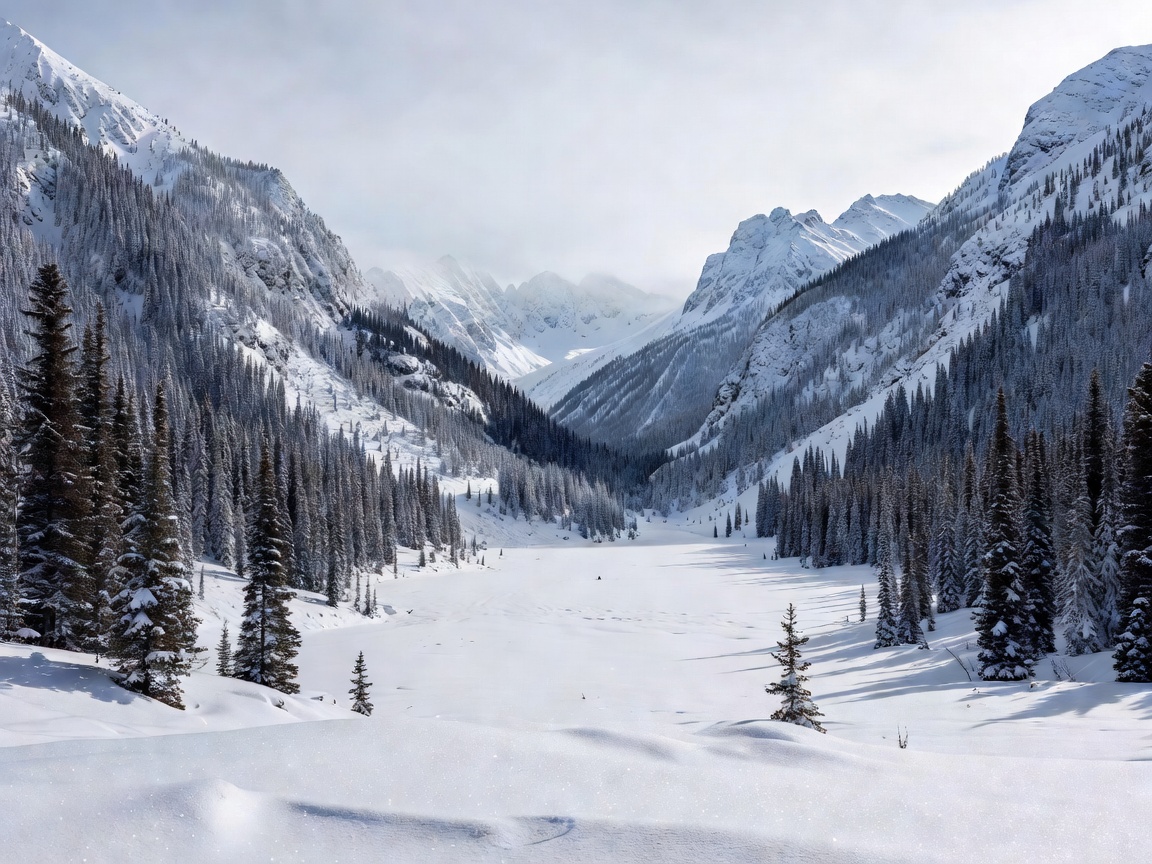
Snow-covered mountain valley with dark forested slopes
Winter landscape reference · snow and access are never guaranteed.

Winter rewards a little slack

Avoid making the final possible connection the only plan. Allow room for delayed travel, particularly when the last section involves a mountain road or an infrequent bus. Ask what support the hotel offers if you arrive after reception or restaurant hours.

If snow is central to your expectations, research the specific location and elevation. A winter calendar date alone does not promise a white landscape, open skiing or an accessible high-level walk.

Summer is not just winter without snow

In warmer weather, a hot outdoor basin may be less appealing at midday than it is in a winter photograph. Cooler water, shade, drinking-water access and a good indoor rest area can become more valuable. Ask about the actual temperature range and choose a daily rhythm that leaves you options.

Mountain weather can change quickly. An easy-looking walk in a hotel brochure still requires appropriate preparation and current local advice. Do not use a spa appointment as a reason to rush a route or ignore deteriorating conditions. A flexible booking pattern is often worth more than a tightly packed day of activities.

Shoulder season needs exact dates

“Open year-round” may refer to the hotel rather than every pool, sauna, restaurant or connected bath complex. Ask about your precise dates and the facilities named in your shortlist. A scheduled refurbishment can reduce the appeal of a stay even when the building remains open and the room rate looks favourable.

Also check what remains open nearby. A quiet resort can be delightful when you want stillness, but frustrating when the only intended café, lift or walking connection is not operating. Verify one realistic bad-weather day before booking. It should feel like part of the holiday, not a punishment for choosing the wrong week.

Compare complete costs, not room headlines

Put spa admission, sauna supplements, parking, transfers, meals and any required reservations beside the accommodation price. Check whether robes or towels require a deposit, and whether a package’s “daily access” means one entry or unrestricted re-entry. Do not compare an inclusive retreat with a room-only offer as though the two prices describe the same stay.

Cancellation terms deserve the same attention as the pool. Read the deadline, deposit conditions and treatment of travel disruption. A non-refundable rate transfers more risk to you. Insurance coverage depends on the policy wording; do not assume it covers a change of preference, poor snow or every transport delay.

Use official conditions close to departure

For Switzerland, MeteoSwiss provides weather information and SLF provides avalanche and snow information. In Austria, consult GeoSphere Austria. For South Tyrol, the provincial weather service is a useful official reference. Specialist warnings do not replace route-specific judgement or professional guidance.

For an Italian mountain destination example, use Trentino’s official visitor information to investigate local opening dates and travel context. Keep the geographical limits of each source in mind. A forecast for one valley is not a promise about the next mountain pass.

Make the final check direct

Shortly before travel, reconfirm the defining facility, your included admission and the final transfer. Save the hotel’s response alongside the booking terms. If something has changed, a clear record helps you discuss alternatives. Good planning is not the elimination of uncertainty; it is knowing which uncertainties could actually change your enjoyment.

Use our message worksheet to organise an editorial question, or adapt its plain-text format for your own hotel enquiry.

Official research starting points